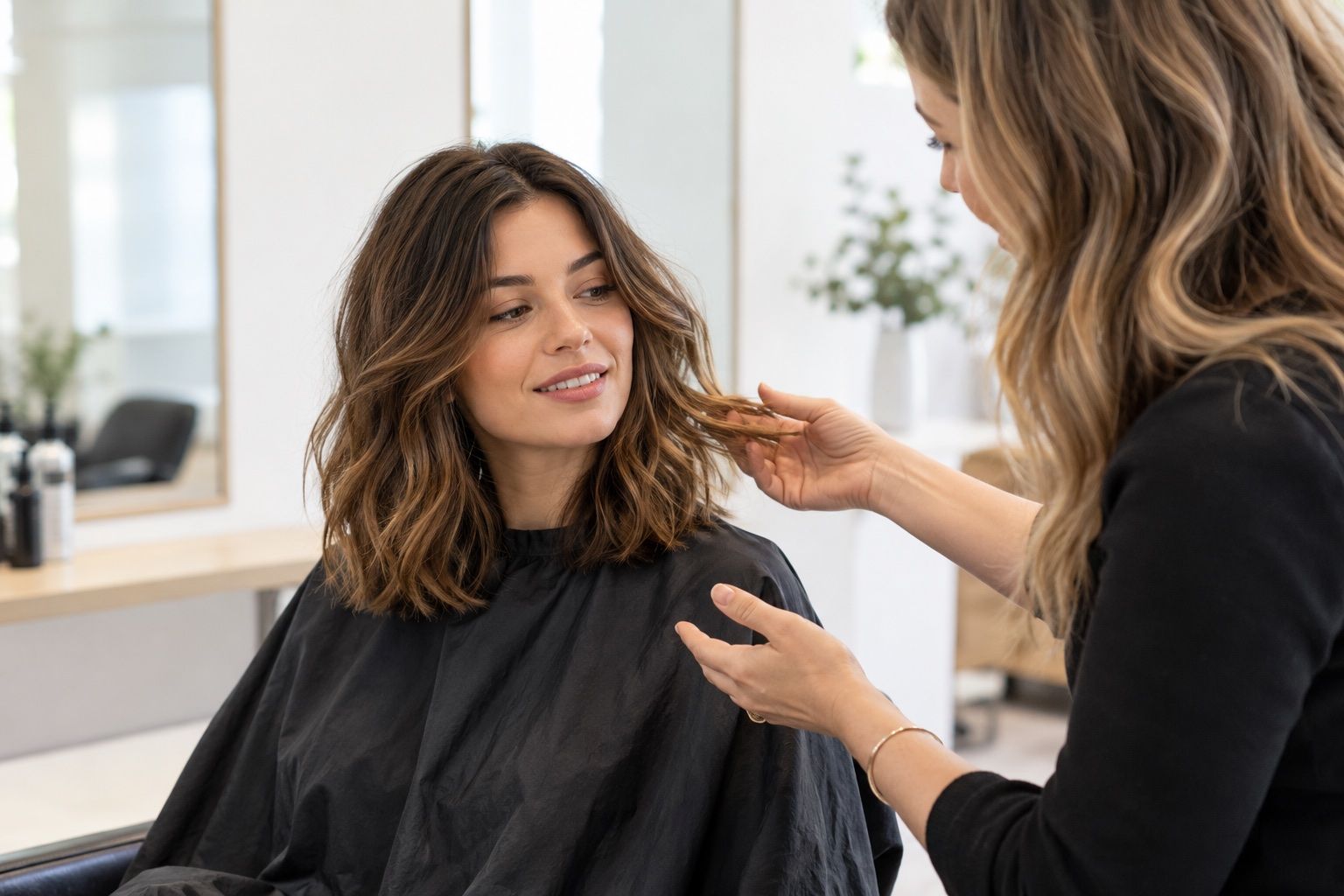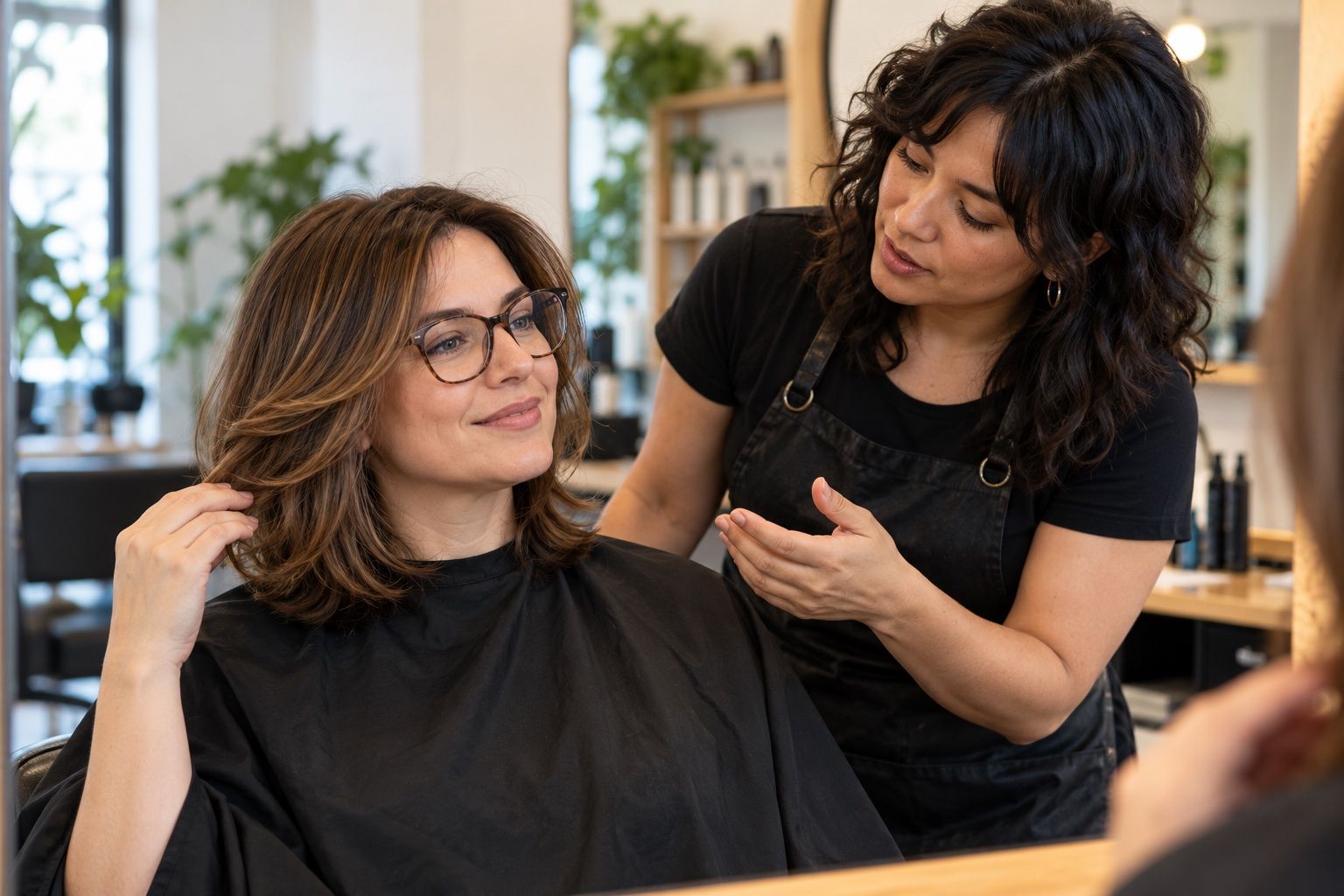
This guide looks at compare short and long hairstyles in a virtual try-on as a practical comparison, with attention to shape, texture and the choices to discuss before a salon visit.
Define what counts as short and long
“Short” can mean a chin-length bob, a cropped cut or a pixie; “long” might mean shoulder length or hair past the chest. Pick two specific endpoints before comparing. Use landmarks such as the jaw, neck, collarbone and shoulder to describe them. Without clear endpoints, an app may jump between styles that differ in fringe, texture and volume as well as length.
Write down what you want to learn: whether to remove enough length for a bob, keep the hair long enough to tie back, or simply change the outline. A focused question makes the comparison less emotional and easier to revisit. If you are uncertain, include a middle length rather than treating the decision as a choice between extremes.
Keep other details steady
Use the same photo, part, color and texture for each length. If the app changes all of these at once, the short style may feel more dramatic for reasons unrelated to length. A controlled comparison makes the shift in outline easier to see and helps you identify details that should stay consistent, such as face-framing pieces or a natural wave.
Save the options next to one another with clear labels. Note where each ends and whether it can be tied back. Looking at the images at the same screen size prevents one option from seeming more appealing because it is larger or brighter. The aim is not a perfect experiment, but a fair enough comparison to help clarify your preference.
Consider practical differences
Short hair may reduce drying time for some people, but a precise shape can require regular trims. Longer hair can offer ponytails, buns and more ways to change its appearance, yet it may take longer to wash or dry. These are tendencies, not guarantees. Your own density, texture and styling habits will shape the actual routine.
Think about activities where hair needs to stay out of the way, as well as weather and accessories. Check whether the short preview leaves enough length for your usual clips or whether the longer style catches on clothing. A screen image cannot test comfort during movement, so imagine a normal week and ask a stylist about the likely upkeep.
Account for texture and shrinkage
If your hair curls or waves, its visible length changes when dry and styled. A virtual short option may appear longer than it would naturally, while a long overlay may suggest more weight or stretch than your hair has. Ask a stylist to estimate where each length would sit in your usual texture rather than treating the digital image as a measurement.
Density also affects how a short cut expands or how a long style lies. A preview may add volume to one shape and smooth another. If the outline matters, bring photos of your hair in its normal state and discuss how the cut will be shaped. Use the app to choose a direction, then rely on real hair behavior for the final length decision.
Try reversible steps first
If the proposed change is large, consider testing smaller steps. You could shorten to the shoulders first, live with the new routine, and decide later whether to go to the jaw. This does not suit every goal, but it can make an uncertain choice feel more manageable. Ask a stylist whether a staged plan would preserve the shape you want while leaving room to adjust.
A temporary styling change can also help: tuck or pin longer hair to imitate a shorter outline, or use a clip-in piece to explore added length. These methods do not reproduce the exact cut, weight or texture, but they can show how you feel with more or less hair around your face. Treat them as a comfort check, not a realistic final preview.
Think about the grow-out
Ask what happens when the chosen cut grows for several weeks. A short perimeter may lose its shape quickly, while a longer cut can pass through an awkward in-between length. If you value low maintenance, discuss the grow-out path and whether the style can be adjusted during regular appointments.
Save a reference for your preferred length and a second for a version you would tolerate as it grows. This helps the stylist understand your flexibility. If the transition matters more than the final endpoint, say so. A haircut is worn through many stages, and choosing with those stages in mind can prevent an appealing preview from becoming a frustrating routine.
Make the salon conversation specific
Bring both the short and long images, even if you already favor one. Explain which features matter, such as the neckline, ability to tie hair back, fringe or side volume. Ask what each option would require from your hair and styling routine. The comparison can help a stylist describe trade-offs that the app does not show.
Avoid asking for a result that the preview depicts without considering your current length and texture. A stylist can explain what is achievable in one appointment and what may need time or a different technique. The final plan may sit between your two options, preserving the part you like while changing the amount of length removed.
Consider accessories and seasonal needs
Think about clips, headbands, hats, helmets or other items you use regularly. A shorter shape may sit differently under a hat, while longer hair may be easier to secure but can feel warmer. These are personal trade-offs that a preview will not show. Include them when you decide which length is practical.
If you change your hair with the seasons, consider how much flexibility you want. A cut that can be tied or pinned may offer more options during busy days. Ask a stylist which of your preferred lengths keeps those choices available without forcing a routine you do not enjoy.
Think about how each length works on days when you do not style your hair. A short cut may reveal your natural growth pattern more clearly, while longer hair may settle differently under its own weight. Ask which outcome is likely for your texture and whether a middle length could offer the flexibility you want.