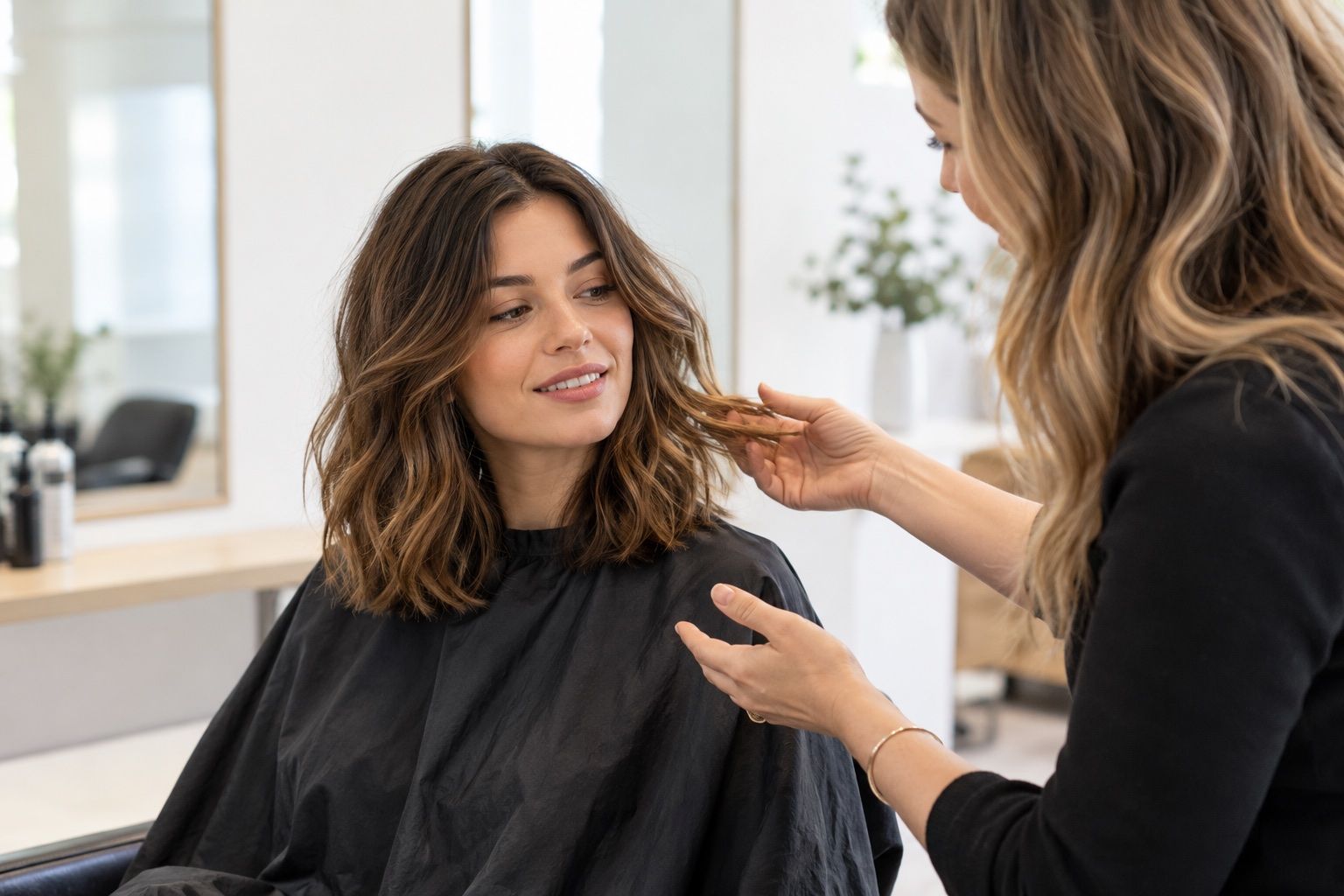
This guide looks at preview a bob haircut: length, shape and styling questions as a practical comparison, with attention to shape, texture and the choices to discuss before a salon visit.
Name the bob silhouette
A bob can end near the cheek, chin, jaw, neck or shoulders, and it may be blunt, softly layered, graduated or longer in front. These differences change its outline and upkeep. Before using a preview, decide what “bob” means to you. Mark a landmark on your current photograph, such as the jawline or collarbone, and compare where the ends would sit relative to that point.
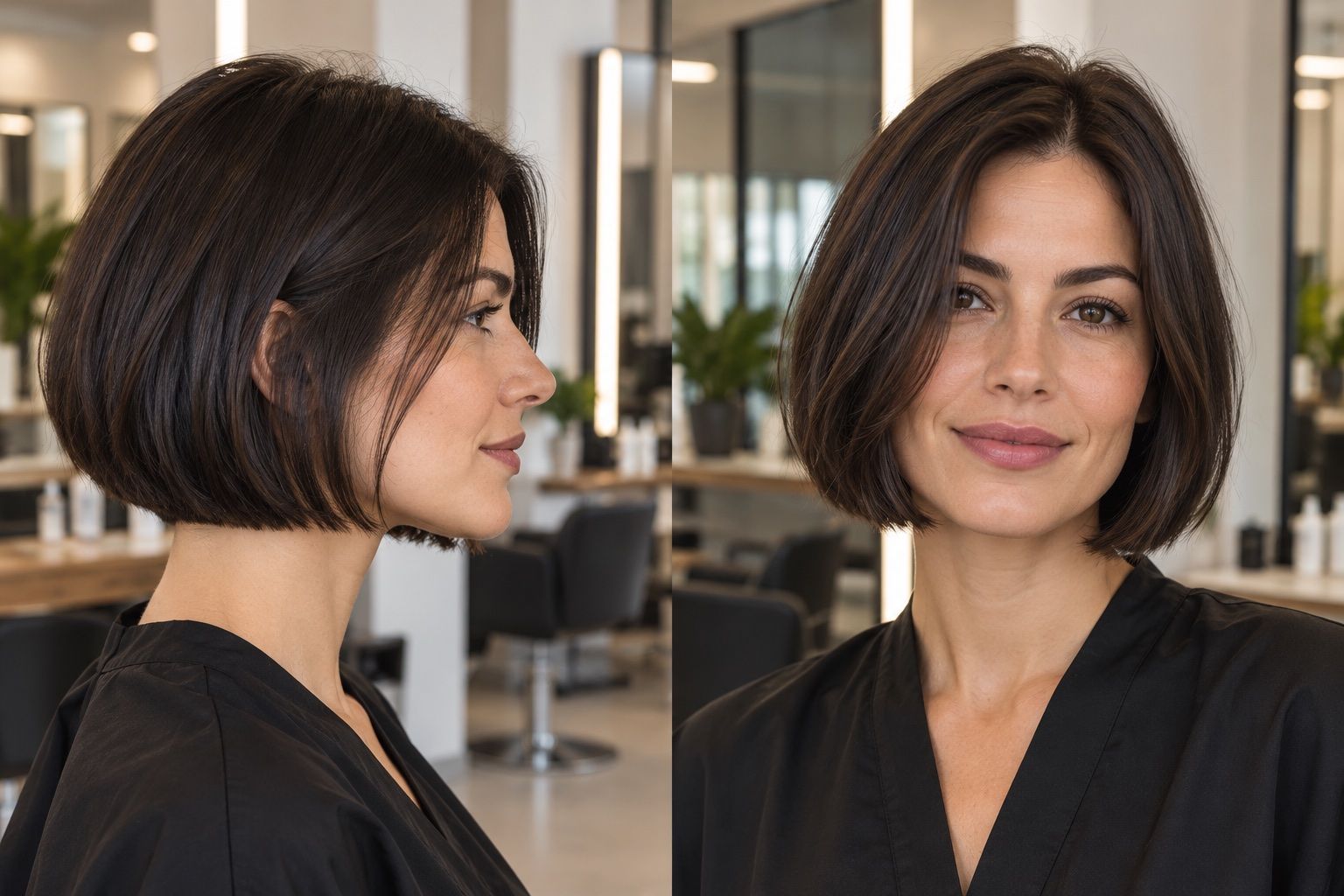
Notice the shape from front to side. A longer front edge can create a different profile from an even perimeter, while a stacked back may add structure at the nape. Most try-on images show only the front, so do not assume they demonstrate the full cut. Save the silhouette you like and bring a side or back reference if those details matter.
Compare one length at a time
Try a small range of lengths rather than jumping between a pixie and long hair. Compare a jaw-level option with one that reaches the neck, keeping part and volume similar. This reveals how much of the change comes from the ends moving upward. A few controlled comparisons are easier to judge than a collection of unrelated presets.
Look at the jaw and neck area in the composite. A bob can change the visual balance around these landmarks, but the app may add volume or alter your face shape. Keep attention on the haircut outline and treat facial edits as a separate effect. If the overlay makes your head appear narrower or wider, use a real reference image for the silhouette instead.
Think about weight and density
The way a bob sits depends on how much hair is concentrated at the perimeter and how the weight is distributed. Thick hair may need internal shaping to reduce bulk, while fine hair may benefit from a clean line that preserves the ends. These are not universal prescriptions; they are questions to discuss with a stylist who can assess your hair in person.
Use the preview to decide whether you like a compact outline or softer movement, then ask what technique creates that effect for your texture. A single image cannot show whether layers are hidden inside the shape or visible around the face. Explain if you want the ends to look full, separated, curved under or allowed to move naturally.
Include your part and styling habits
A center part can make a bob appear balanced, while a side part may shift volume and change the way the front sections fall. Use the part you normally wear as a baseline, then test another only if you are willing to style it that way. The preview may not account for cowlicks or the direction your roots prefer.
Ask how the chosen bob behaves when air-dried and when styled. Smooth ends may require a brush or heat; a textured version may need product or scrunching. Consider whether you can reach the back of your head comfortably if daily shaping is expected. A cut that looks good only with a salon finish may not fit the routine you want.
Check the grow-out and appointments
Shorter bobs can show changes in shape as the hair grows, especially around the neck and front perimeter. Ask how often you might want a trim to maintain the outline and how the shape evolves if you wait longer. A softer or longer bob may grow out more gradually, but the exact result depends on your hair and chosen technique.
Discuss transitions before the first cut. Could the style move toward a lob without losing balance? Would the back remain easy to manage as it lengthens? These questions matter if you are uncertain about going short. Saving both a preferred version and an acceptable grow-out version can make the decision less all-or-nothing.
Prepare useful references
Bring one image that shows the outline you like and a second image that shows a similar hair texture or density. Explain which details are essential, such as length at the jaw, a blunt edge or room to tuck the front behind the ear. Also state what you do not want: a sharp angle, stacked back, heavy fringe or daily heat styling.
The virtual preview is a starting point, not a cutting map. It may distort the nape, side profile or amount of hair needed for fullness. Ask the stylist to describe how the shape would be adapted to your current length and what changes would be noticeable from the side. A direct explanation can reveal whether the visual idea is achievable without copying every detail.
Make the choice fit your day
Consider how a bob will fit work, exercise, sleep and the accessories you use. Can you tie it back when needed? Does the front fall into your face? Will the ends rub against a collar or flip under a coat? A preview does not show these daily interactions, so imagine the cut in the settings where you actually spend time.
Choose the version you are willing to maintain rather than the one with the most dramatic transformation. If you are unsure, ask about taking off less length first and revisiting the shape later. Hair can be shortened again, but the decision should still feel deliberate. A clear preference about length and routine gives a stylist more useful direction than the word “bob” alone.
Look beyond the front perimeter
The back and neckline influence how a bob feels and grows out, even when the preview emphasizes the front. Ask whether the back should sit at the nape, leave some length, or follow a more gradual angle. If the tool does not show this area, use a separate reference and confirm that the stylist understands which shape you prefer.
Consider how collars, scarves and outerwear meet the ends. A length that rests on the shoulders may flip or catch differently from a jaw-length cut. These ordinary details can affect whether you enjoy the style throughout the year, so mention them during the consultation.
Ask the stylist to describe how the bob will sit when your hair is dry and whether the neckline needs a different length from the front. If the shape depends on a precise finish, ask what the lower-maintenance version would look like and how it grows between appointments. You can keep the same general silhouette while adjusting the details to fit your routine.