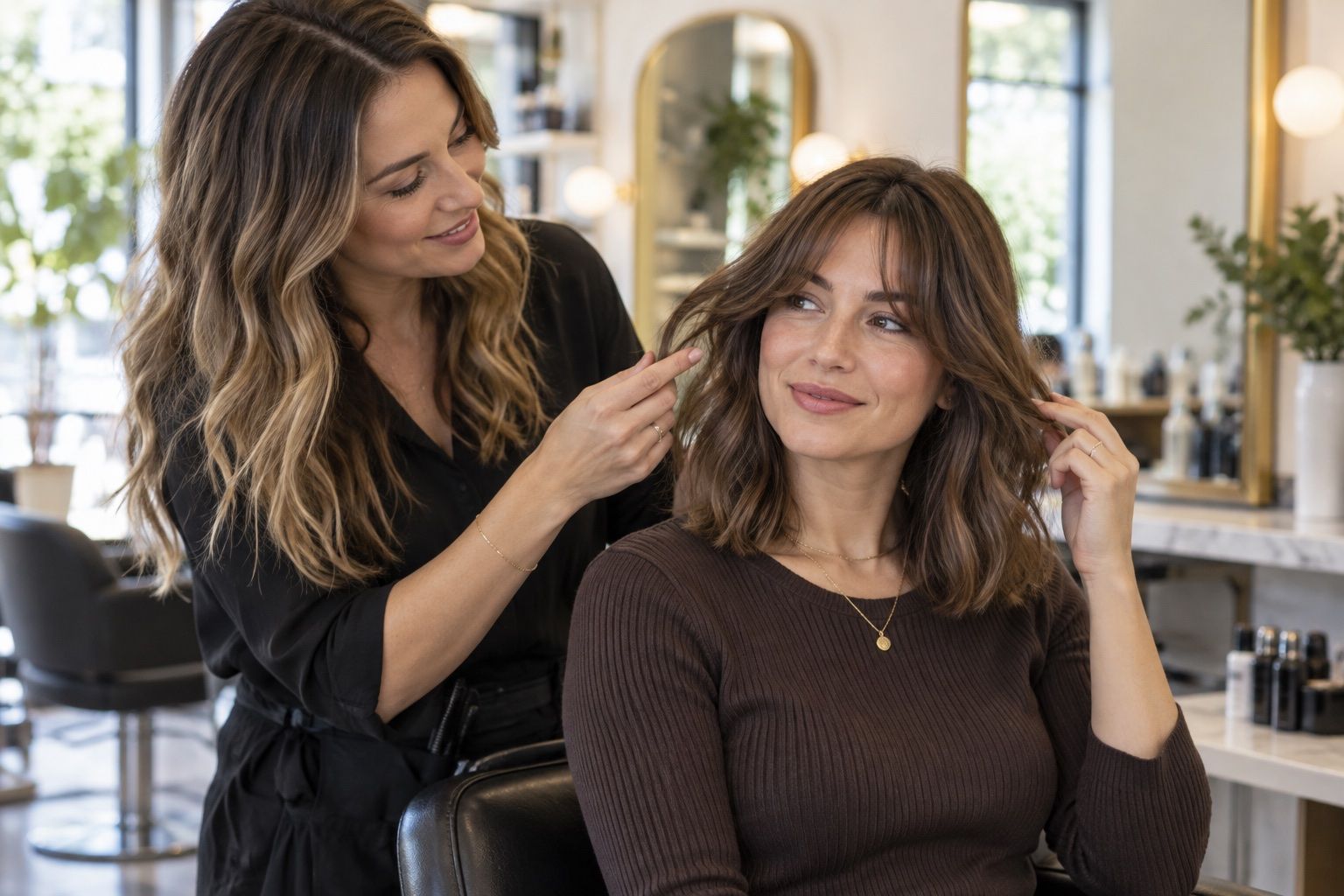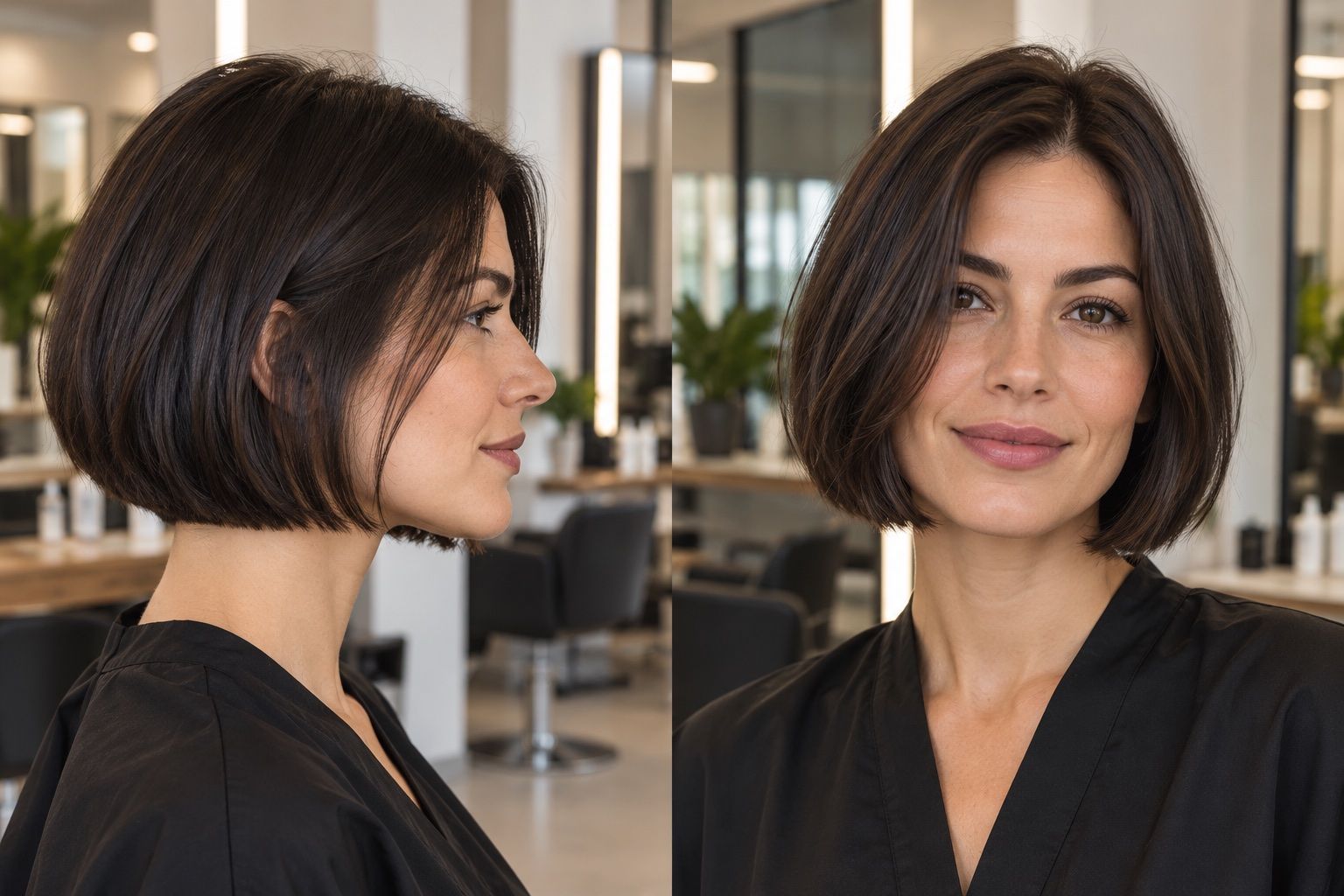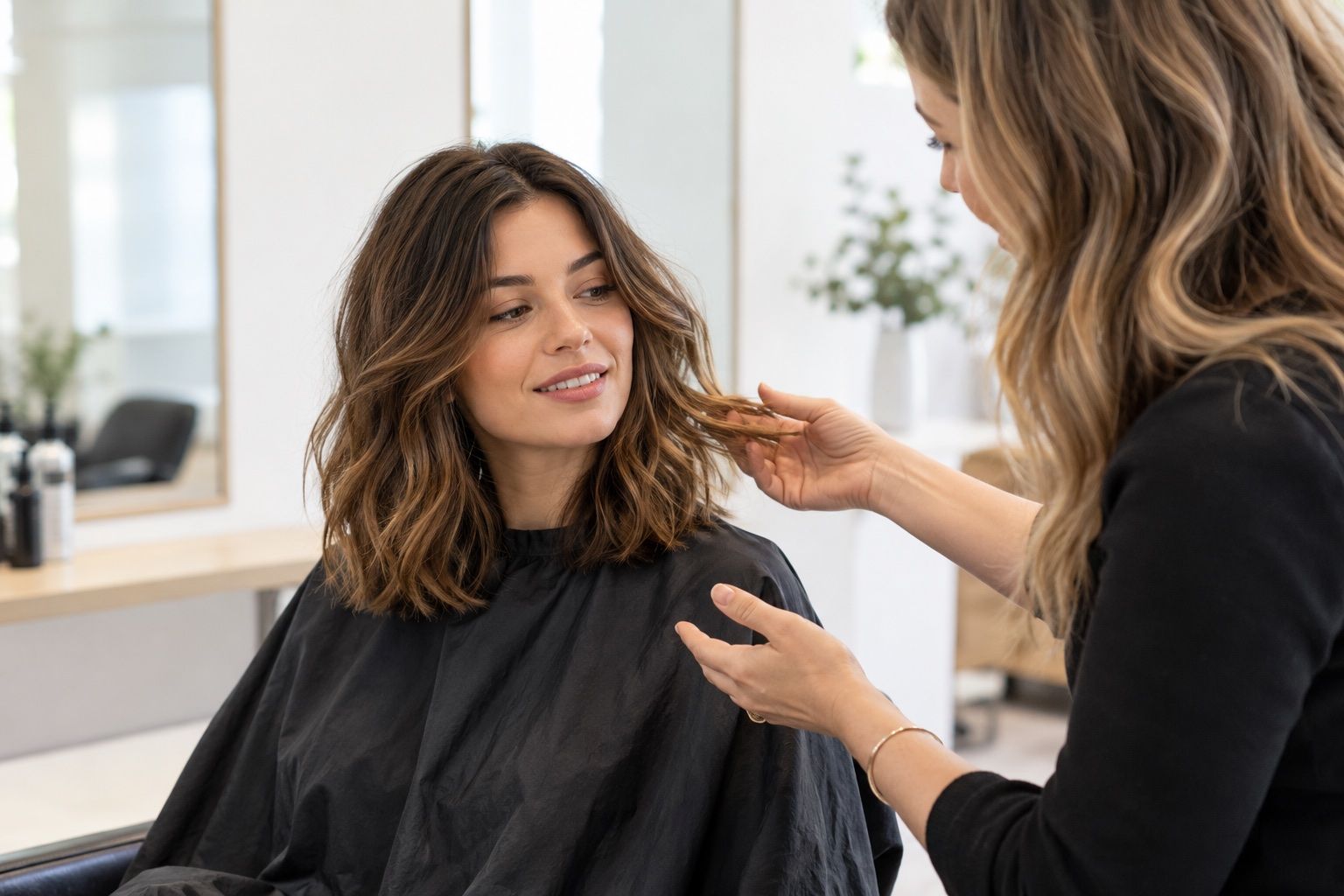
This guide looks at try on bangs before you commit to a fringe as a practical comparison, with attention to shape, texture and the choices to discuss before a salon visit.
Choose the kind of fringe you mean
“Bangs” covers several shapes: a full straight fringe, a softer curtain fringe, a side-swept section, short baby bangs or longer pieces that blend into layers. A preview can combine these categories, so define the feature in plain terms before comparing. Decide whether you want the forehead mostly covered, a center opening, or length that can be pushed aside when needed.
Use real examples to clarify the density and length you have in mind. Two photographs labeled “curtain bangs” may show very different starting points, parting and styling. Notice where the shortest section ends and how the sides connect to the rest of the hair. These details make the preview more useful than choosing a name from a style menu.
Prepare hairline and photo
A clear photograph should show the whole forehead, temples and current hairline. Even lighting helps distinguish the hair edge from shadow, while a straight camera angle keeps the forehead from appearing shorter or longer than it is. Keep your normal part if you wear one most days, then take a second photo with hair moved aside if you want to compare a different starting point.
A fringe overlay may hide the very hairline that determines how the cut will sit. Look closely at where it begins near the corners and whether the preview leaves enough length at the temples. If the image uses a heavy block that does not resemble your hair density, treat it as a rough silhouette. A stylist can make a lighter or more blended version.
Compare length and density separately
Start with length: brow level, cheekbone length, or a longer curtain shape. Keep density similar so you can see how the ends change the frame. Then compare a lighter or fuller version at the length you prefer. Changing both features at once can make it hard to tell whether you like the shorter edge, the extra coverage or the overall styling.
Look at how the fringe meets the sides and the rest of the cut. A disconnected shape may require more styling or a different layer plan. A blended fringe can be easier to grow out, but it may not provide the same visual change. Save a label such as “long, center-parted, light density” so the stylist understands what you tested.
Account for your natural pattern
Hair growth direction, cowlicks, curl and wave pattern all affect how a fringe behaves. A center part may reopen if the roots naturally split; a strong cowlick can lift one corner; a curl can spring shorter after drying. A virtual overlay does not reveal these forces. If you have a distinctive growth pattern at the front, mention it before cutting.
Think about how much daily styling you are willing to do. A fringe may need to be reshaped in the morning or kept from falling into the eyes. If you air-dry, ask which version works with your texture without heat. A longer, softer fringe may provide room to experiment while remaining easier to pin or sweep away during the grow-out.
Test your routine before committing
If possible, use clips or temporary styling to imitate the general weight and position of a fringe without cutting. This will not reproduce the exact shape, but it can show how you feel with hair across your forehead and whether you notice it during work or exercise. Try the idea at home for several hours rather than making the choice from one photograph.
Consider weather, glasses, hats and activities. A fringe can interact with frames or become inconvenient under a helmet or headband. Ask how often it might need trimming and whether maintenance visits can be combined with regular appointments. The routine around a fringe is part of the haircut decision, not an afterthought to solve once the hair is already shorter.
Bring examples that show the sides
A single front-facing image may hide the connection between the fringe and the side layers. Bring a reference from a side angle or a real haircut photo that shows how the sections blend. Point to the length near the temples and explain whether you want those pieces to tuck behind the ears or stay in front.
Use the digital preview to show the feeling you want, then explain where it fails to match your hair. A stylist can adjust density and length around your hairline. Ask what the first trim would look like and how the fringe changes as it grows. A clear description helps the consultation focus on the cut instead of debating whether the app image is realistic.
Plan an easy grow-out
Before choosing a very short fringe, ask how it can transition into longer face-framing pieces. Growth takes time, and the awkward stages may require clips or different parting. A longer starting length can let you test the idea with more flexibility, although it will produce a different look. Ask your stylist which compromise best balances change and reversibility.
Save a photo of the fringe at the length you want and another of the longer shape you could accept while it grows. This makes the trade-off visible. You do not need to decide based on a rigid rule about who “can” wear bangs. The relevant questions are how you like the shape, how it works with your hairline and whether you are comfortable maintaining it.
Check how a fringe feels in daily life
A fringe changes how hair touches the forehead and how often you move it out of your eyes. Consider glasses, exercise, hats, heat and the way you sleep. A preview shows appearance, not the feeling of hair across the face. If you are sensitive to that sensation, try temporary styling or a longer, more movable version first.
Ask what a trim schedule might look like and how the fringe behaves between appointments. The front can change quickly as it grows, especially if the starting length is short. A longer shape may be easier to sweep aside while you decide whether you want more coverage or a shorter edge.