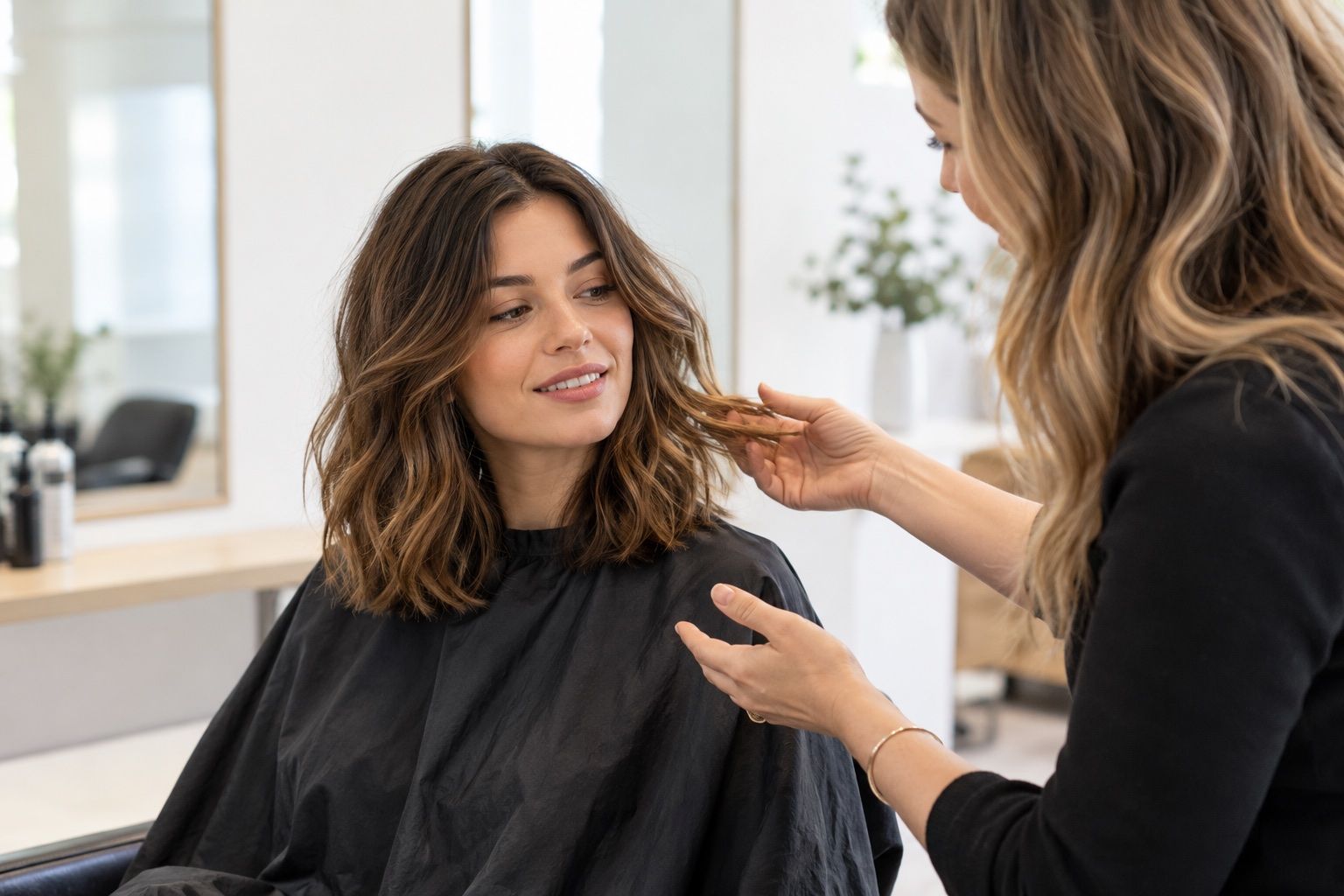
This guide looks at choose a haircut that fits your daily routine as a practical comparison, with attention to shape, texture and the choices to discuss before a salon visit.
Define what low maintenance means
For one person, low maintenance means washing less often; for another, it means avoiding heat tools, frequent trims or complicated styling. Decide which kind of effort you want to reduce. A haircut preview can show a shape, but it cannot show the time, products and maintenance visits behind it. Naming your constraints makes the options easier to compare.
Think about an ordinary week rather than an ideal morning. How many minutes do you want to spend styling? Do you need to tie your hair back? Are you comfortable refreshing curls or using a dryer? These answers help distinguish an easy-looking photograph from a style that actually fits your routine.
Compare the cut with the styling routine
A smooth finish, defined waves or lifted roots may take more effort than the silhouette suggests. Ask how the style looks when air-dried and whether it depends on a specific tool or product. If you want to avoid heat, show references worn in a natural state and discuss how the cut can support your texture without daily shaping.
Consider where hair falls during work, exercise and sleep. A fringe may need adjustment; a short outline may need regular trimming; long hair may need tying or detangling. These details are not reasons to avoid a style, but they are useful trade-offs. A low-maintenance choice is personal and depends on which tasks you do not mind.
Look at upkeep between appointments
Ask how often the haircut might need reshaping to keep its intended outline. A sharp bob or short crop can change visibly as it grows, while longer layers may evolve more gradually. The exact schedule depends on your hair and stylist, so seek an estimate rather than relying on a generic rule.
Discuss what the cut looks like when it is overdue for a trim. If the shape becomes difficult to style, a softer version may fit better. Ask whether the transition can be maintained with small adjustments or whether the style needs precise timing. Planning for real appointment availability can prevent an attractive idea from becoming a source of stress.
Choose a preview photo that reflects real life
Use a photograph of your hair on an ordinary day, not only a salon-finished image. If the preview assumes a smooth texture but you usually air-dry, it may mislead you about the routine. Keep the lighting natural and the camera angle steady so the overlay shows approximate shape without hiding the condition and pattern you want to account for.
Try the preview with a part and length you commonly wear. If you are willing to change those habits, test the alternative separately. A style that works only when you recreate a special photograph may not be low maintenance for you. Save the result with a note about whether it requires styling and ask a professional to explain what a simpler version would look like.
Prioritize easy handling
Consider whether the cut can be tucked behind your ears, tied back, clipped or left alone when you are busy. These small capabilities can matter more than a polished silhouette. A preview may show the hair down, so imagine how the length will behave in the situations where you want it out of the way.
Think about detangling, drying and sleeping as well. Longer hair may offer tying options but can take more time to dry; shorter hair may dry quickly but need more frequent shaping. Neither is universally easier. Your texture and preferences determine which tasks feel manageable. Bring those details into the salon conversation.
Make texture do some of the work
A cut can work with natural movement instead of requiring it to be removed every morning. Ask which shape supports your wave or curl pattern and how it looks without heat. If you prefer a smooth finish, be honest about how often you will style it. The goal is to choose a routine you can sustain, not to promise yourself a daily habit you do not enjoy.
Some styles require specific products or techniques to keep the intended definition. Ask what the minimum routine looks like and whether there are simpler alternatives. A preview image cannot demonstrate product buildup, drying time or the feel of the finished hair. Realistic questions help turn a visual idea into a practical choice.
Save references that show ordinary styling
Choose photos that show the haircut in normal lighting and with a routine similar to yours. Editorial images may use extensions, professional styling and controlled conditions. They can still communicate shape, but they may not represent everyday effort. Point to the feature you like and ask what part would be easiest to reproduce with your hair.
Include an image of your own hair on a typical day. Explain what you currently find difficult and what you want to make easier. A stylist can suggest a shape that addresses that problem even if it differs from the preview. The best reference is one that starts a practical conversation, not one that creates a promise of effortless perfection.
Plan for your actual appointment schedule
A cut that needs frequent shaping may not fit if appointments are hard to schedule. Consider how far ahead you usually book and whether you prefer a style that can grow without a precise outline. Ask the stylist which version remains comfortable as it changes and what signs indicate that a reshaping visit would help.
If you travel or have a busy period ahead, mention it before choosing a high-maintenance shape. A small adjustment to length or fringe can make a style easier to manage between visits. The goal is not to avoid upkeep entirely, but to choose an interval and routine that feel realistic.
You can also ask what the simplest at-home version of the style looks like. A useful answer should include the basic steps and a realistic time estimate, not only a salon finish. If the routine sounds like more work than you want, ask for an adjustment that keeps the general shape while reducing daily styling.