This guide looks at how to use face shape in hairstyle suggestions as a practical comparison, with attention to shape, texture and the choices to discuss before a salon visit.
Treat face shape as one clue
Face-shape labels can help organize haircut references, but they simplify real faces into a few categories. A person may see different proportions depending on hairstyle, expression or camera angle. No single category determines which cut is allowed or attractive. Use the label only if it helps you describe a feature you want to emphasize, soften or frame.
Instead of asking which styles “suit” a shape, identify the visual effect you prefer. You might like more openness around the forehead, movement near the cheekbones, or length that draws the eye toward the shoulders. These preferences can guide a comparison without turning a geometry label into a rigid rule.
Use neutral photographs
A front-facing photograph with even light and a relaxed expression makes proportions easier to compare. Camera distance and lens angle can change how the forehead, cheeks and jaw appear, so avoid close-up selfies for judging shape. Pull hair away from the face only for the comparison that needs a clear outline; use your ordinary part for evaluating how a style frames you day to day.
Try two photos with slightly different angles if your face seems to shift between categories. This is a reminder that labels are approximate. A hairstyle preview may also alter facial proportions when it adds volume or a fringe. Focus on the hair shape and compare it with real examples rather than trusting a label generated from one image.
Test framing instead of following a formula
Compare features such as fringe length, side pieces, crown volume and overall length. A soft curtain fringe may frame the forehead differently from a full fringe; long layers can create movement near the cheeks without changing the perimeter. Test one feature at a time so you can see what you actually prefer.
Try options that challenge the usual advice too. Someone with a round face may like a short, rounded cut; someone with a longer face may prefer hair that is sleek rather than wide. Personal taste matters. Use previews to explore the result and a stylist to understand how your hair texture and desired upkeep affect the shape.
Account for hair texture and density
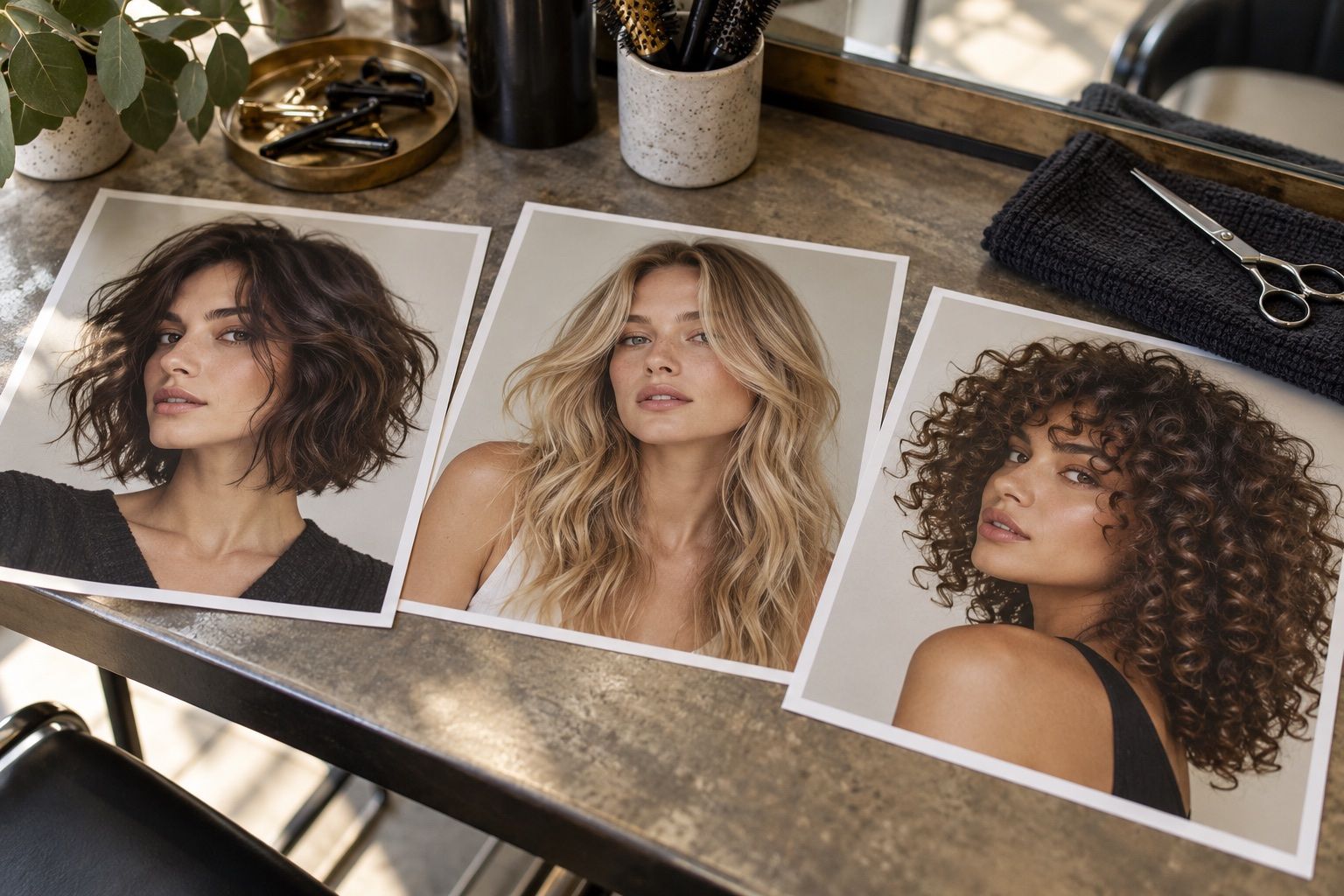
The same frame behaves differently depending on texture, density and growth pattern. Curly hair may spring up around the cheeks, while straight hair can hang closer to the face. Thick hair can create a wider outline; finer hair may sit flatter. A face-shape suggestion that ignores these factors offers only a partial view of the cut.
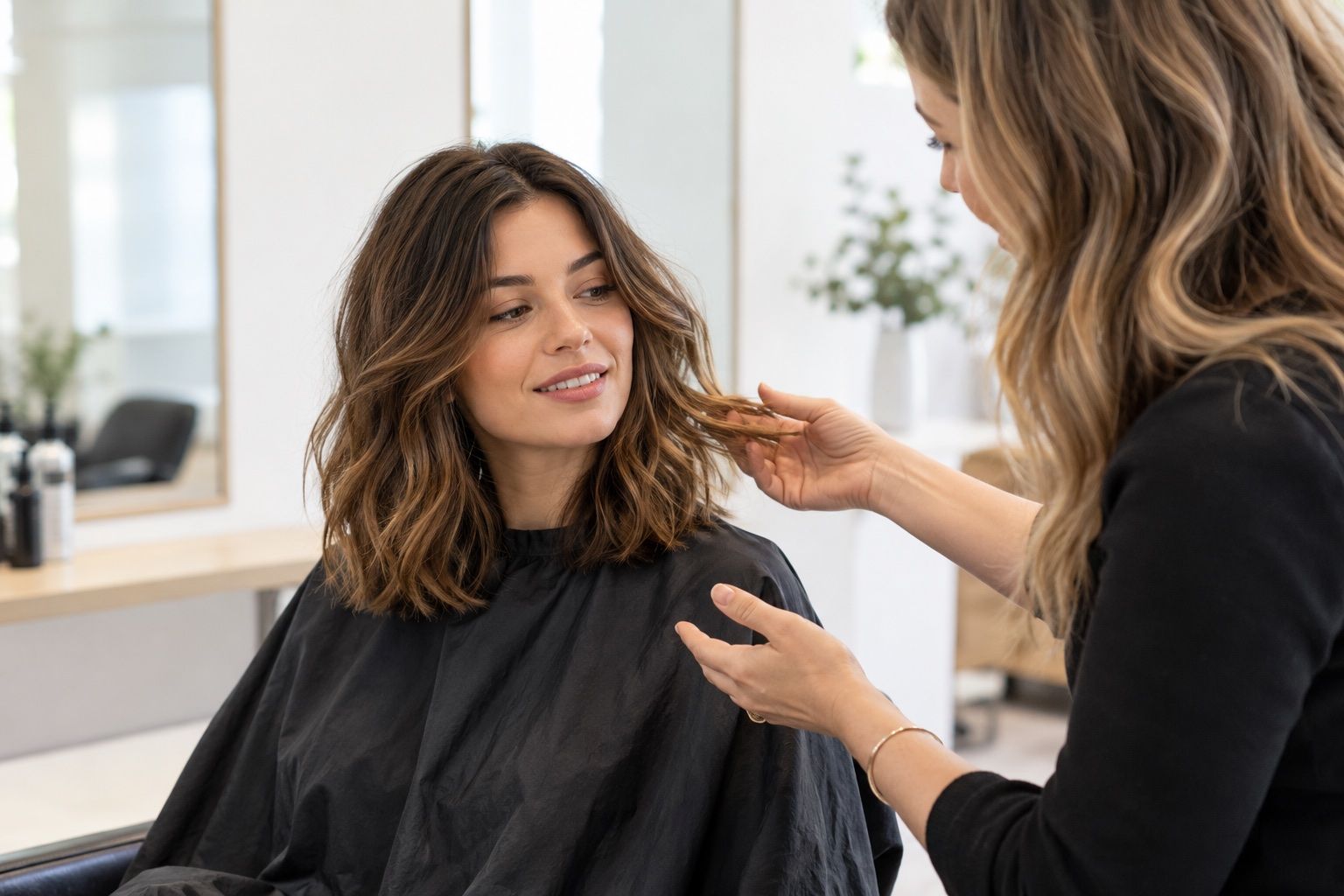
Look for references from people with hair that behaves somewhat like yours, while remembering no two heads are identical. Tell the stylist how your hair looks after washing, how you normally style it and where it tends to part. Those details help adapt a general suggestion into a shape that makes sense for your actual hair.
Separate preference from app scoring
Some tools rank styles or assign scores. The number may reflect the software’s own criteria, not your comfort, identity or practical routine. Use it as a prompt to notice options you had not considered, but do not accept a low score as a reason to avoid a haircut you like. A useful comparison is one you can explain to yourself.
If suggestions change when you adjust the photo slightly, the result may be sensitive to angle or lighting. Try a consistent set of inputs and compare the images visually. Do not assume an automated face category is an expert consultation. A stylist can discuss haircut shape and hair behavior in person, which a single photograph cannot fully represent.
Build a reference around your own priorities
Choose two or three looks and label the specific details: open forehead, shorter side pieces, length at the collarbone, or a fringe that can be swept away. Include a reference showing your preferred texture if the preview smooths or reshapes it. The labels make it clear what you want the stylist to preserve and what is flexible.
Avoid presenting the image as evidence that a cut must work a certain way. Ask how the style would translate to your proportions and hair, and whether a small change could better match your preference. A conversation about details leaves room for professional judgment without surrendering your own taste.
Choose what feels like you
The most useful haircut is not necessarily the one an app maps to a face category. Consider how you want to feel wearing it, how it interacts with glasses or accessories, and whether it supports the way you like to present yourself. If a style makes you curious, test it even when a generic guide would recommend something else.
Use the preview to explore, then give yourself time before deciding. Save the options you still like after the novelty fades and discuss them with a stylist. If none feels right, return to the features that matter most and compare more modest changes. Face shape is a helpful vocabulary at most; it should not replace your judgment.
Include the details a category leaves out
Glasses, facial hair, personal style and the way you part your hair can all change what framing feels right. A face-shape label cannot account for every preference. If you wear glasses, compare references with similar frames or explain where you want the hair to sit around the temples and ears.
A recommendation should leave room for expression. You may want a bold contrast, a familiar shape or a gradual change, and those are valid goals even if a generic guide ranks another style higher. Use the category as vocabulary when useful, then make the decision according to your own comfort and taste.
If a category suggests a style you would not normally try, you can still use the preview to explore it safely as an idea. Save the image only if it raises a question you want answered. A stylist can explain how the cut interacts with your hair and preferences; a category score cannot tell you whether you will enjoy wearing it.